Conference Day 2 - 27th April
8:30 am - 9:00 am
REGISTRATION & REFRESHMENTS
9:00 am - 9:05 am
CHAIRPERSON’S DAY TWO OPENING COMMENTS
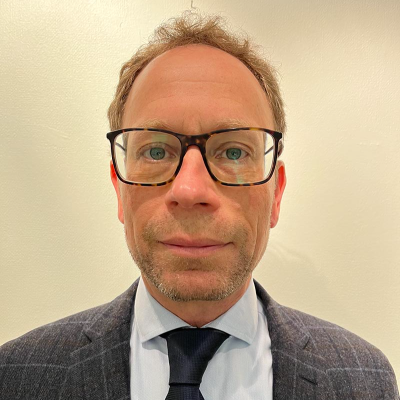
Tony Hitchcock -
Technical Director,
Charles River Laboratories
2:40 pm - 2:40 pm
SUS IMPLEMENTATION: SAFETY & COMPLIANCE
9:05 am - 9:45 am
UNDERSTANDING THE ADVANCES IN TOXICITY EVALUATION AND THE IMPLICATIONS FOR SAFETY AND COMPLIANCE
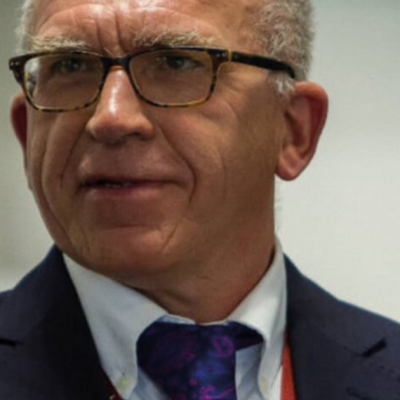
Clemens Günther -
Director, Nonclinical Safety Customer Care,
Bayer
· Evaluating emerging safety and toxicology concerns
· Analysing the relative risks of newer potential contaminants
· Conducting risk assessments for ‘compounds of concern’
· Utilising established datasets to inform process design and purchasing decisions and increase efficiency without compromising safety

9:45 am - 9:45 am
FUTURE TECHNOLOGIES AND USE OF SUS
9:45 am - 10:25 am
APPLYING NEXT-GENERATION, SINGLE-USE CHROMATOGRAPHIC CLARIFICATION FOR HARVESTING MONOCLONAL ANTIBODIES (MABS)
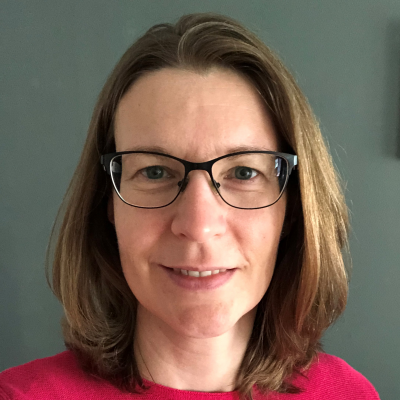
Sophie Muczenski -
Application Engineering Specialist,
3M
· Rethinking traditional methods of clarifying bioprocess solutions
· Exploring a single-stage harvest solution for high cell density cell cultures
· Benefits of efficient cell culture harvest with robust and predictability scalability
10:25 am - 10:55 am
NETWORKING & MORNING REFRESHMENTS
10:55 am - 11:10 am
UTILISING CUSTOMIZED MEDICAL PLASTIC SYSTEMS
Dr. Dirk Forberger -
Chairman of the Board,
RoweMed
11:10 am - 12:00 pm
INTERACTIVE DISCUSSION: WHAT IMPACT WILL THE DRIVE TOWARDS FURTHER SUSTAINABILITY IN THE BIOPHARMA INDUSTRY HAVE ON THE USE OF SUS AND DISPOSABLE PRODUCTS?
Tony Hitchcock -
Technical Director,
Charles River Laboratories
Whilst the safety, effectiveness and efficiency of SUS is of paramount concern when determining where they should be deployed to deliver biomanufacturing excellence, it is undeniably true that concerns around sustainability will continue to increase in importance. This interactive discussion will open up the debate around this subject and consider some of the questions that will need to be considered:
· What is meant by sustainability in the biopharma industry?
· How can you begin to assess the impact of utilising different manufacturing processes and equipment?
· What options might there be for improving the environmental impact of SUS?
· How can you balance decisions around sustainability with other priorities and how high a priority is sustainability?
· Are there future technological developments that will improve the sustainability of biomanufacturing processes?
Following a short introduction to the topic from our Conference Chairman, we will divide into break-out groups to discuss this important topic. At the end of the discussion, a nominated spokesperson will feed back the highlights from their group’s discussions.
12:00 pm - 1:00 pm
NETWORKING LUNCH
1:00 pm - 1:40 pm
UTILISATION OF SINGLE USE SYSTEMS IN INNOVATIVE BIOMANUFACTURING TECHNIQUES
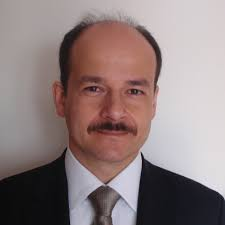
Joshua Souther -
Senior Scientist,
FUJIFILM Diosynth Biotechnologies
· Exploring the results of recent SUS testing on mAbs cell lines
· Discussing the work on centrifugation and depth filtration
· Evaluating the prospects for further deployment of SUS
1:40 pm - 4:00 pm
EXTENDED WORKSHOP SESSION: SINGLE USE TECHNOLOGIES – RISK MITIGATION AND THE MOVE TO CONTINUOUS PROCESSING
Irwin Hirsch -
Owner & Principal Consultant,
Q-Specialists
With Single Use and Disposable Technology adoption growing more commonplace across the biomanufacturing space, now is the time to ensure that your process development strategy and equipment will support your product development, not stand in the way. This workshop will focus on maximising the opportunities presented by single use and disposable solution adoption, whilst identifying and proactively mitigating against the risks involved through process design strategy formation, quality assurance and the environmental impact factors.
Part 1: Identify the opportunities and mitigate against the risks as a Disposables User with an in-depth analysis into:
· Risk Mitigation strategies and lean manufacturing processes to reduce cost
· Disposables Lifecycle management
· Regulatory Framework requirements and challenges
· Extractables and Leachables impact minimisation and process validation
· Particulate presence and mitigation techniques
Part 2: Analyse the applicability of Single Use Technology for Continuous Processing
Define the realities of continuous processing: Is this just a buzz word? What do we actually mean?
Identify the key concern in disposable utilisation: Feasibility of SUT for Chromatographic Processes
Discuss the realities for SUT in continuous processing across upstream and downstream processes
Map out a plan to future adoption: examine where are we now and discuss where we want to go with continuous processing adoption and what we need to achieve to do this